
The Allure of Gambling
The mesmerizing world of casino gambling captivates millions globally, driven by a mix of thrill and potential reward. The adrenaline rush associated with high-stakes games is a significant psychological motivator, often leading individuals to pursue gambling as an escape from daily stressors. This rush can be intoxicating, blurring the line between enjoyment and addiction, as players continue to chase that elusive big win. For those curious about newer platforms, our guide to crypto casinos australia offers insights into the latest trends in this evolving landscape.
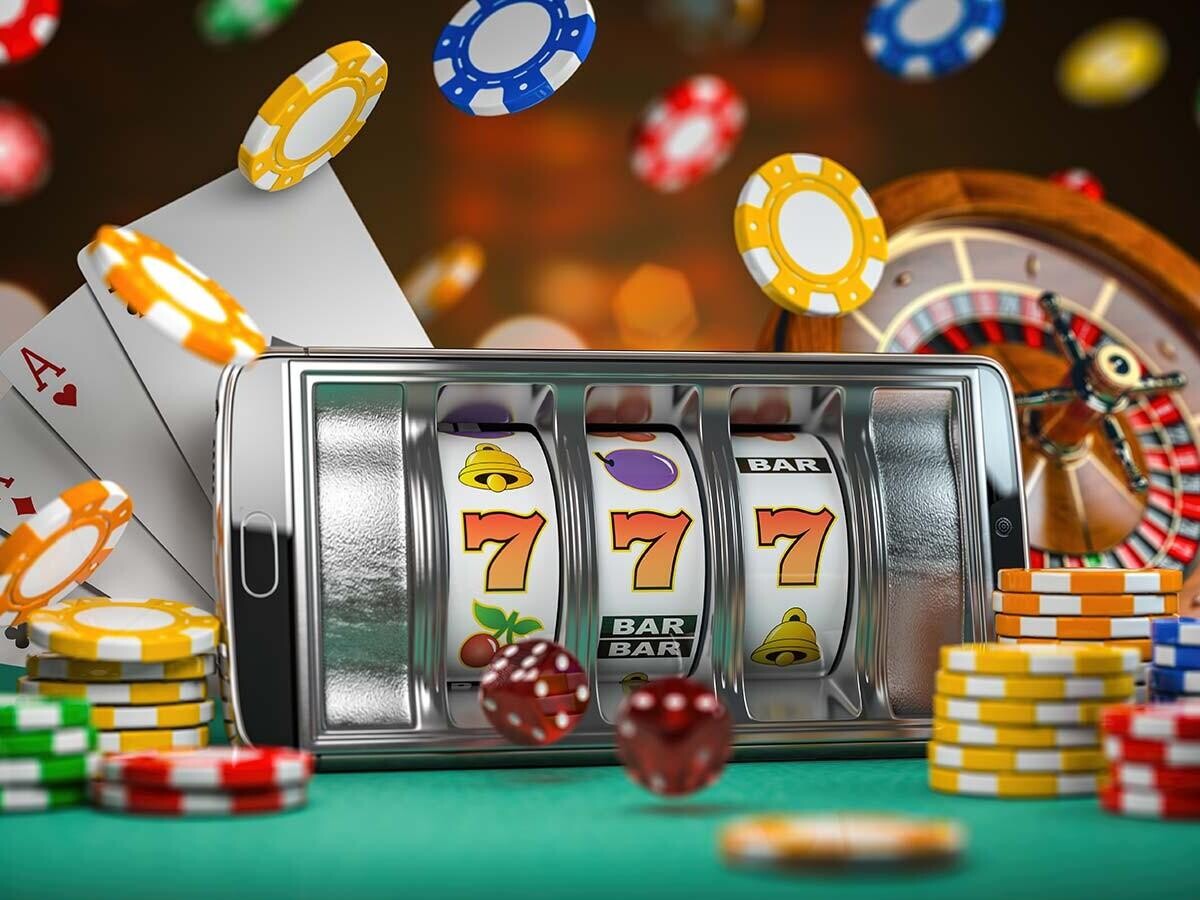
Moreover, the environment within casinos is meticulously designed to enhance this allure. Bright lights, vibrant sounds, and the cheerful chatter of other players create a sensory experience that heightens the excitement. This carefully crafted ambiance draws players in, making it difficult for them to leave, and often leads to extended gambling sessions that can impact their decision-making abilities.
The Role of Cognitive Biases
Cognitive biases play a crucial role in shaping gambling behaviors. One of the most prominent is the illusion of control, where players believe they can influence the outcome of games that are fundamentally based on chance. This misconception often leads players to engage in riskier bets and to perceive losses as temporary setbacks rather than definitive outcomes. Such biases can prolong gambling sessions, as players continuously seek to reclaim their losses.
Additionally, the gambler’s fallacy—the belief that past events influence future outcomes—can also take hold. For instance, after a series of losses, individuals may feel that their luck is due to change, prompting them to continue gambling. This flawed reasoning can result in individuals investing more time and money, driven by the hope of a turnaround that may never come.
Emotional Factors at Play
Emotions significantly impact gambling behavior, with individuals often using it as a tool for emotional regulation. For many, gambling serves as a temporary escape from reality, allowing them to forget their problems and immerse themselves in a world of possibilities. However, this reliance on gambling for emotional relief can lead to a cycle of behaviors that may exist alongside mental health issues, such as anxiety or depression.
Furthermore, the excitement of winning can induce feelings of euphoria, reinforcing gambling habits. Unfortunately, these emotional highs are usually followed by lows when losses occur, creating a turbulent emotional landscape that can trap players in a cycle of highs and lows. Understanding how these emotional factors influence gambling can be vital in addressing problematic gambling behaviors.
The Social Aspect of Gambling
Casino gambling is often perceived as a social activity, with many individuals enjoying the camaraderie that comes from playing games in groups. The social component can encourage gambling, as players share experiences, celebrate wins, and commiserate over losses together. This social reinforcement can normalize gambling behaviors, making it more challenging for individuals to recognize when their habits become unhealthy.
Moreover, peer influence can significantly affect gambling habits, with individuals more likely to engage in gambling activities if their friends or family members do so. This phenomenon can lead to a culture of gambling within certain social circles, further entrenching individuals in their gambling behaviors and making it harder for them to step away from the activity.

Understanding Gambling in the Digital Age
As the landscape of gambling evolves with technology, understanding the psychology behind online casino habits becomes increasingly important. The convenience of online platforms allows players to gamble from the comfort of their homes, often leading to increased frequency in play. This accessibility can amplify both positive and negative psychological effects, making it essential for players to be aware of their behaviors.
Additionally, the emergence of crypto casinos and digital currencies has transformed the gambling experience, appealing to tech-savvy individuals seeking anonymity and flexibility. However, this shift also raises concerns about responsible gambling, as the ease of making deposits and withdrawals can lead to impulsive decisions. Navigating these new environments requires both awareness and self-regulation to foster a healthy gambling relationship.

