
Understanding the psychological effects of gambling on decision-making processes
The Nature of Gambling and Decision-Making
Gambling is often perceived as a thrilling pastime, but it encompasses deep psychological elements that significantly influence decision-making processes. When individuals engage in gambling, their choices can be swayed by various factors, including emotional responses, cognitive biases, and social influences. This interplay between emotion and logic can lead to impulsive decisions, often based more on feeling than rational thought. For example, exploring the best online casinos can provide insights that shape gambling habits and choices.

Research indicates that the excitement associated with gambling triggers the brain’s reward system, releasing dopamine and creating feelings of pleasure. This neurological response can alter a person’s approach to risk, making them more likely to take chances they might avoid in other contexts. Understanding this mechanism is essential for recognizing how gambling affects both the individual and their decisions over time.
The Impact of Cognitive Biases
Cognitive biases play a critical role in shaping how gamblers make decisions. For instance, the illusion of control is a common phenomenon where players believe they can influence outcomes in games of chance, such as slot machines or roulette. This bias can lead to overconfidence and poor decision-making, as individuals may continue to gamble despite losing streaks, convinced that they will eventually win.
Furthermore, the gambler’s fallacy—believing that past events influence future probabilities—can distort judgment. For instance, a player might assume that a particular slot machine is “due” for a payout after a long period without a win. Such misconceptions can prolong gambling sessions and lead to financial losses, showcasing the profound impact of cognitive biases on decision-making in gambling scenarios.
Online Gambling vs. Brick-and-Mortar Casinos
The psychological effects of gambling can vary significantly between online platforms and traditional brick-and-mortar casinos. In online gambling, players may experience a sense of anonymity that can lead to riskier behavior. The lack of face-to-face interaction diminishes the social accountability that often helps regulate behavior in physical casinos, allowing individuals to chase losses more easily. This distinction is vital in understanding how different formats impact a gambler’s overall experience.
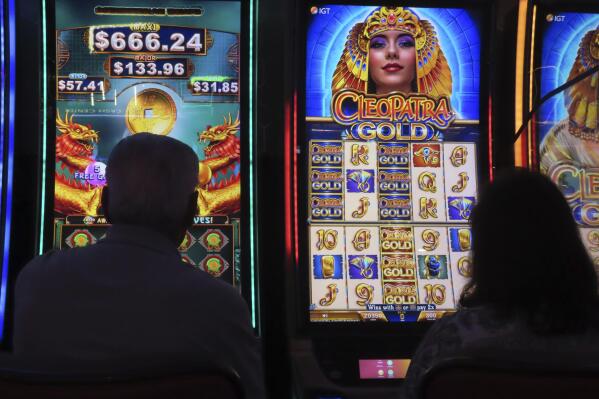
Conversely, the sensory environment of a physical casino—complete with sounds, lights, and social interactions—can create a heightened emotional state that influences decision-making. This setting may encourage players to make more impulsive choices driven by the immediate thrill of their surroundings. Both environments, while distinct, showcase how the context of gambling can shape a player’s decision-making processes.
The Role of Emotional Regulation
Emotions play a substantial role in gambling behavior and decision-making. Many individuals use gambling as a means of escape, seeking relief from stress or emotional turmoil. This can lead to decisions that prioritize short-term emotional relief over long-term consequences, increasing the likelihood of developing problematic gambling habits.
Additionally, when players experience a win, they may become emotionally charged, leading to further betting without adequate assessment of risks. Conversely, losses can evoke frustration or despair, prompting irrational decisions as individuals attempt to recoup their losses. Understanding emotional regulation is crucial for gamblers and can serve as a protective factor against the negative consequences of impulsive gambling decisions.
Resources for Responsible Gambling
In light of the psychological complexities surrounding gambling, it is vital to promote responsible gambling practices. Various resources and support systems are available to assist individuals in recognizing the impact of their gambling behavior on decision-making. These include counseling services, self-help groups, and educational programs that raise awareness about the psychological effects of gambling.
By encouraging informed decision-making and emotional awareness, these resources aim to foster a healthier relationship with gambling. Websites and platforms dedicated to promoting responsible gambling provide valuable insights and tools, enabling individuals to make more conscious choices in their gambling experiences. Understanding these aspects can significantly enhance overall well-being and decision-making processes in the realm of gambling.

