
The Allure of Casinos: Understanding Initial Attraction
Casinos have long been a source of fascination for individuals seeking entertainment and the thrill of potential winnings. The initial attraction to casinos can often be attributed to the sensory stimulation that these establishments provide. Bright lights, vibrant colors, and the sounds of cash registers and slot machines create an exhilarating environment that captures the attention of players. This carefully crafted atmosphere serves to entice individuals to enter and participate in various best bitcoin sports betting sites games of chance.

Moreover, the social aspect of casinos cannot be overlooked. The excitement of playing alongside other people, whether friends or strangers, enhances the gaming experience. This social interaction, combined with the thrill of the games, can lead to a heightened sense of excitement and engagement, making it difficult for players to resist returning to the casino environment.
The Role of Cognitive Biases in Gambling
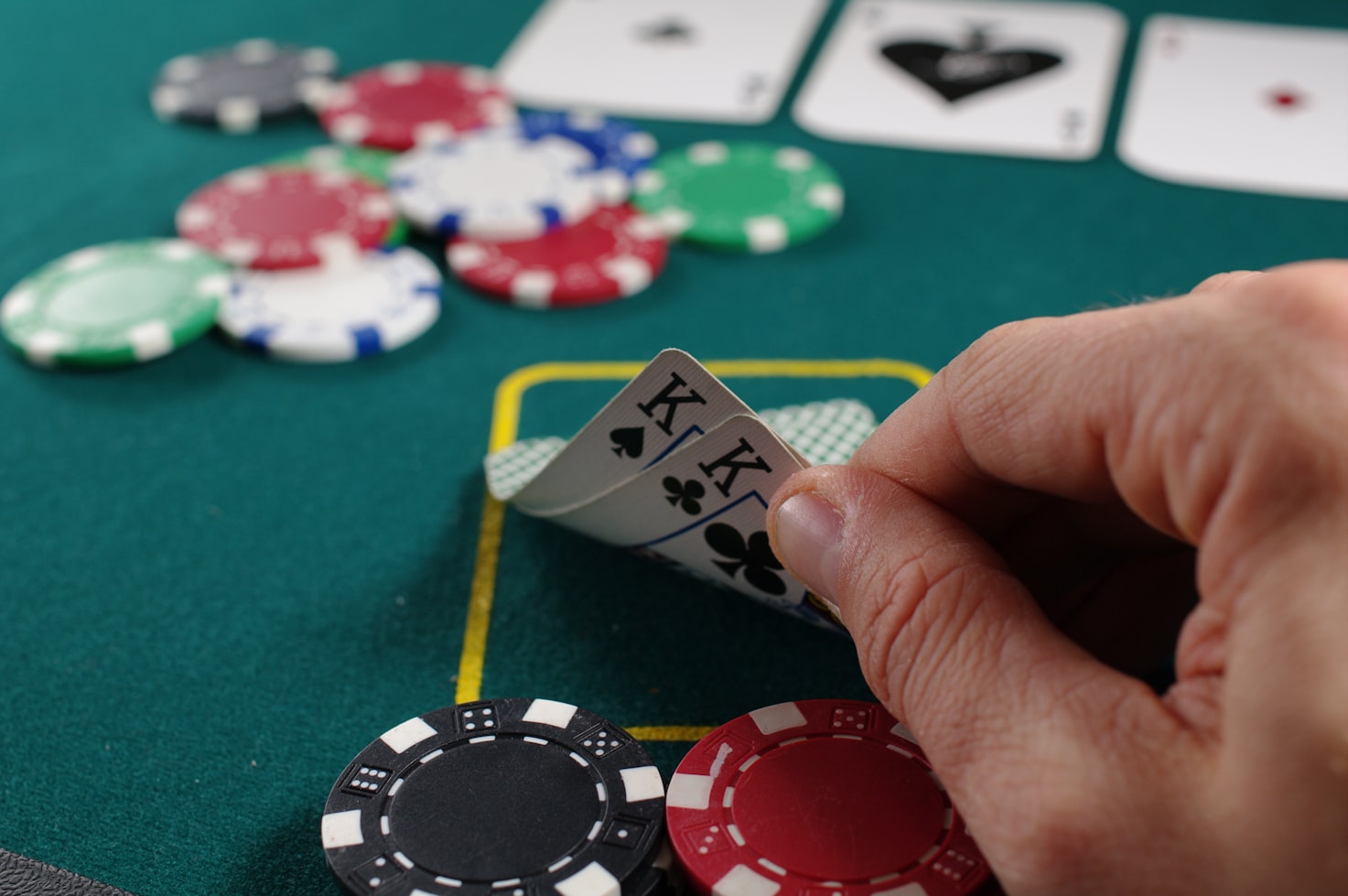
Cognitive biases play a significant role in how players perceive their chances of winning in a casino. One of the most common biases is the illusion of control, where players believe they can influence the outcome of random games through their actions or strategies. For example, a poker player may feel that their skills can significantly affect the distribution of cards, despite the inherent luck involved in the game.
This skewed perception often leads to players underestimating the risks associated with gambling. Instead, they may focus on memorable wins, reinforcing the notion that they can be successful in their gambling endeavors. This creates a cycle of behavior where players continue to engage with the hope of replicating past successes, often leading to increased financial risk.
The Emotional Rollercoaster of Gambling
The emotional experiences associated with gambling can vary widely among players. The highs of winning can induce euphoric feelings, while losses can lead to frustration or despair. Many players become emotionally invested in their outcomes, which can cloud their judgment and lead to irrational decision-making. This emotional rollercoaster contributes to a complex relationship between players and the games they engage in.
Additionally, casinos often implement strategies aimed at exploiting these emotional responses. For instance, providing complimentary drinks or rewards can enhance feelings of goodwill and encourage continued play. Understanding how emotions influence player behavior allows casinos to optimize their environments to maximize player engagement and profitability.
The Impact of Addiction and Compulsive Behavior
Gambling addiction is a critical issue that arises from the psychological dynamics at play in casinos. Some individuals may develop a compulsive need to gamble, often dismissing the negative consequences that arise from their behavior. This addiction can stem from various factors, including a person’s history, personality traits, and even genetic predispositions.
Recognizing the signs of gambling addiction is essential for both players and casino operators. Education and intervention programs can help mitigate the risks associated with compulsive gambling. By fostering awareness of responsible gambling practices, both players and casinos can create a healthier gaming environment that prioritizes player welfare alongside entertainment.
Conclusions Drawn from Player Behavior: Insights for Casino Management
Understanding the psychology of player behavior is crucial for casino management. By analyzing player tendencies, casinos can develop strategies to enhance customer experiences while also promoting responsible gambling. Implementing self-exclusion programs, providing educational resources, and promoting responsible gaming messages are vital steps in ensuring a positive environment for players.
Ultimately, examining the psychological aspects of gambling behavior helps both players and casino operators navigate the complex dynamics at play. Through education and a focus on player welfare, the gambling industry can thrive while prioritizing the health and well-being of its patrons.

