
Understanding the mind Psychological factors influencing gambling behavior
The Psychological Appeal of Gambling
The allure of gambling lies deeply in its psychological components, attracting individuals with the promise of excitement and financial gain. The thrill of placing a bet can evoke a rush similar to that experienced in extreme sports or high-stakes situations. This feeling of exhilaration is largely driven by the brain’s reward system, which releases dopamine when we anticipate a win, creating a cycle of desire and reinforcement. For many, this rush can overshadow the potential risks involved, especially when they discover the best casino app available for their convenience.

Moreover, the social environment surrounding gambling, whether online or offline, significantly impacts an individual’s experience. Engaging with others in a casino or during an online game can enhance the excitement and create a sense of community. This social reinforcement can lead to increased gambling behavior as individuals seek both social interaction and the thrill of potential wins.
Cognitive Biases in Gambling
Cognitive biases play a crucial role in shaping gambling behavior. Many gamblers fall prey to the illusion of control, believing they can influence outcomes in games of chance. For instance, a player might think that their strategy or skill can sway the result of a slot machine or roulette spin, leading to increased participation despite the inherent randomness of these games.
Another common bias is the gambler’s fallacy, where individuals believe that past outcomes affect future probabilities. For example, if a number hasn’t appeared in a while, a player may think it is “due” to win soon. These irrational thought patterns can create a false sense of security, leading individuals to gamble more than they initially planned, thus exacerbating the potential for problem gambling.
The Role of Emotions in Gambling Decisions
Emotions significantly impact gambling behavior, often dictating how and when individuals choose to gamble. Feelings of stress, anxiety, or even boredom can drive individuals to seek solace in gambling as a coping mechanism. The temporary escape that gambling provides can be particularly appealing during challenging times, even when it may lead to negative consequences in the long run.
Additionally, the emotional highs and lows associated with gambling can create a compelling cycle. Winning can produce euphoria, while losing often results in frustration or sadness, prompting individuals to chase their losses in an attempt to regain that initial joy. This emotional rollercoaster can further entrench individuals in harmful gambling patterns, blurring the line between entertainment and obsession.
Comparing Online and Offline Gambling Influences
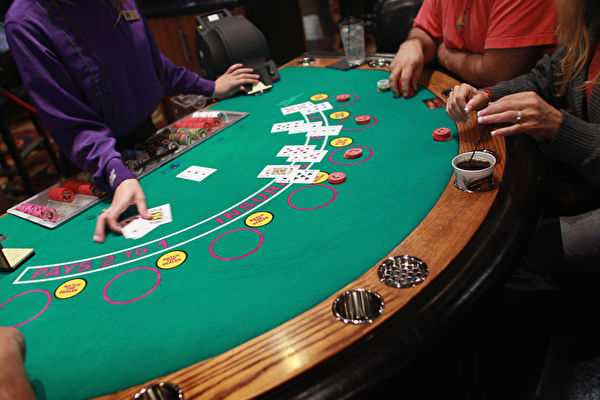
The psychological factors influencing gambling behavior can differ significantly between online and offline environments. In offline casinos, the ambiance—bright lights, sounds, and social interactions—can heighten the excitement but also pressure individuals into making impulsive decisions. The physical presence of other gamblers and the environment itself can create a communal sense of urgency that can be hard to resist.
Conversely, online gambling offers anonymity and accessibility, which can alter the psychological landscape. Players can engage in gambling activities from the comfort of their homes, often leading to less social accountability. This separation from the physical environment may encourage more reckless behavior, as the immediate consequences of losing money are less tangible. The ability to gamble continuously without breaks can intensify the risks associated with online gambling.
About This Website
This website is dedicated to exploring the psychological factors influencing gambling behavior, offering insights into both online and offline experiences. By understanding the mental aspects at play, readers can gain a clearer perspective on their own gambling habits and the potential risks involved. The aim is to foster awareness and promote healthier gambling practices.
Through informative articles and resources, this platform seeks to create a safe space for individuals to learn about the psychological influences that shape their decisions in gambling. The hope is to empower readers with knowledge that leads to more informed choices, whether they engage in casual gambling or seek support for gambling-related issues.

